Avoiding Errors in Veterinary Laboratory Diagnostics
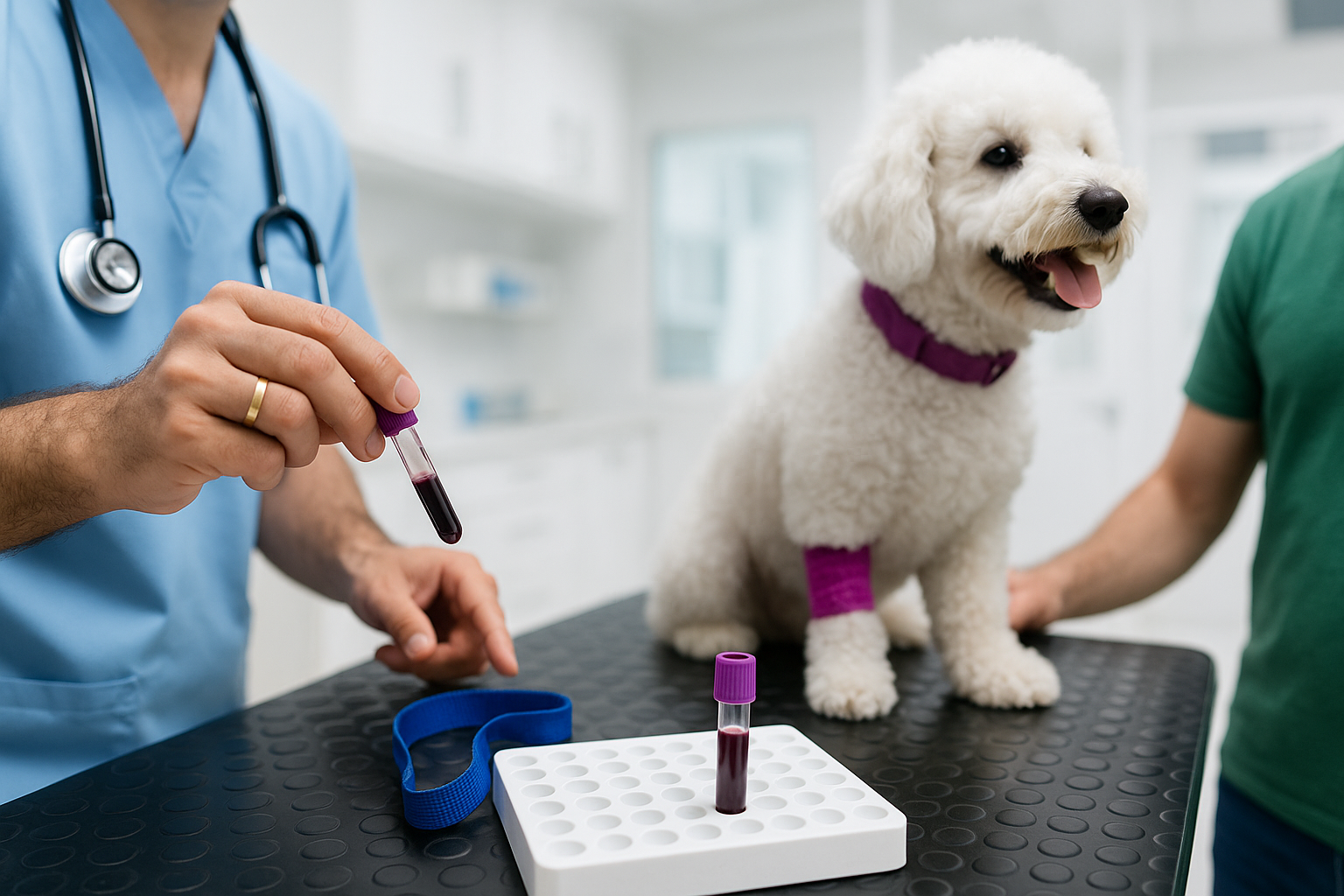
This 2-hour session covers identification and prevention of analytical errors/interferences in routine clinical chemistry and hematology testing via a combination of lecture and case-based discussion. Interferences are substances that can lead to erroneous test results either by incorrectly mimicking the desired analyte or by preventing measurement...
2.0
CE Hours
$60.00
One-Time
✓
RACE Approved
Veterinarians & Technicians
Audience
On-Demand
Format
365
Days Access
Instant access after purchase. No login required — use your magic link.
Course Content
2.0 hours of in-depth clinical education
2.0
Total CE Hours
2.00
Veterinarian Hours
2.00
Technician Hours
Course Overview
This 2-hour session covers identification and prevention of analytical errors/interferences in routine clinical chemistry and hematology testing via a combination of lecture and case-based discussion. Interferences are substances that can lead to erroneous test results either by incorrectly mimicking the desired analyte or by preventing measurement of the desired analyte resulting in pre-analytic or analytical error. Interferences are one type of analytical error while others may include but are not limited to equipment malfunction and reagent issues. Interferences are not uncommon and can occur in most assays in veterinary medicine resulting in both clinician and client frustration. Potential outcomes may include the need for repeat testing at the client or clinic expense or patient morbidity via incorrect treatment or unnecessary additional diagnostics. Prevention includes alterations in sample collection, sample type or alternate testing and confirmation. We will identify common artifacts and those that can influence care in an emergency setting and attempt to resolve these artifacts when possible.
Learning Objectives
Upon completion of this course, participants will be able to:
- 1Define and distinguish between pre-analytical, analytical, and post-analytical errors in veterinary laboratory testing.
- 2Identify common substances and conditions that cause laboratory interference, including EDTA contamination, lipemia, and hemolysis.
- 3Utilize blood film reviews and scatter plot analysis to verify automated CBC results and detect abnormalities such as nucleated red blood cells or pseudothrombocytosis.
- 4Apply age-appropriate and breed-specific reference intervals to avoid post-analytical interpretation errors.
- 5Implement standardized sample collection and handling protocols to minimize clinician frustration and unnecessary diagnostic costs.
Your Instructor

Dr. Daniel Heinrich
DVM, DACVP (Clinical Pathology)
Dr. Daniel Heinrich, DVM, DACVP (Clinical Pathology), is an Associate Professor of Clinical Pathology and Director of the Veterinary Medical Center Clinical Pathology Laboratory at the University of Minnesota College of Veterinary Medicine. Board-certified by the American College of Veterinary Pathologists in clinical pathology, Dr. Heinrich completed his DVM at the University of Wisconsin–Madison, a rotating internship at VCA Veterinary Specialty Center in Seattle, and his clinical pathology residency at the University of Minnesota. He also practiced as a small animal general practitioner in Chicago before entering academic medicine. His clinical and research interests center on diagnostic cytology, hematology, and clinical chemistry — with a particular focus on analytical interferences and errors in routine in-house laboratory testing. He is course coordinator for Veterinary Clinical Pathology II in the DVM curriculum and has mentored five board-certified clinical pathology residents. Dr. Heinrich received the ASVCP Young Investigator Award for Applied Clinical Research in 2015.
View Full Faculty BioHow On-Demand Works
Purchase
Complete checkout with your professional info
Instant Access
Get a magic link — no login required
Watch & Learn
Stream the lecture at your own pace
Get Certified
Pass the quiz, download your certificate
What's Included
Full Lecture Recording
HD video of the complete live presentation
Digital Lecture Notes
Downloadable PDF with key takeaways
Knowledge Assessment Quiz
Multiple choice quiz to earn CE credit
RACE-Approved Certificate
2.0 CE hours for veterinarians & technicians
Ready to Learn?
Get instant access to 2.0 hours of RACE-approved CE with Dr. Daniel Heinrich.
Purchase On-Demand Access — $60.00RACE Program #20-1301159