Canine High Grade Glioma - Emerging Oncology Research To Advance Tomorrow's Brain Tumor Care
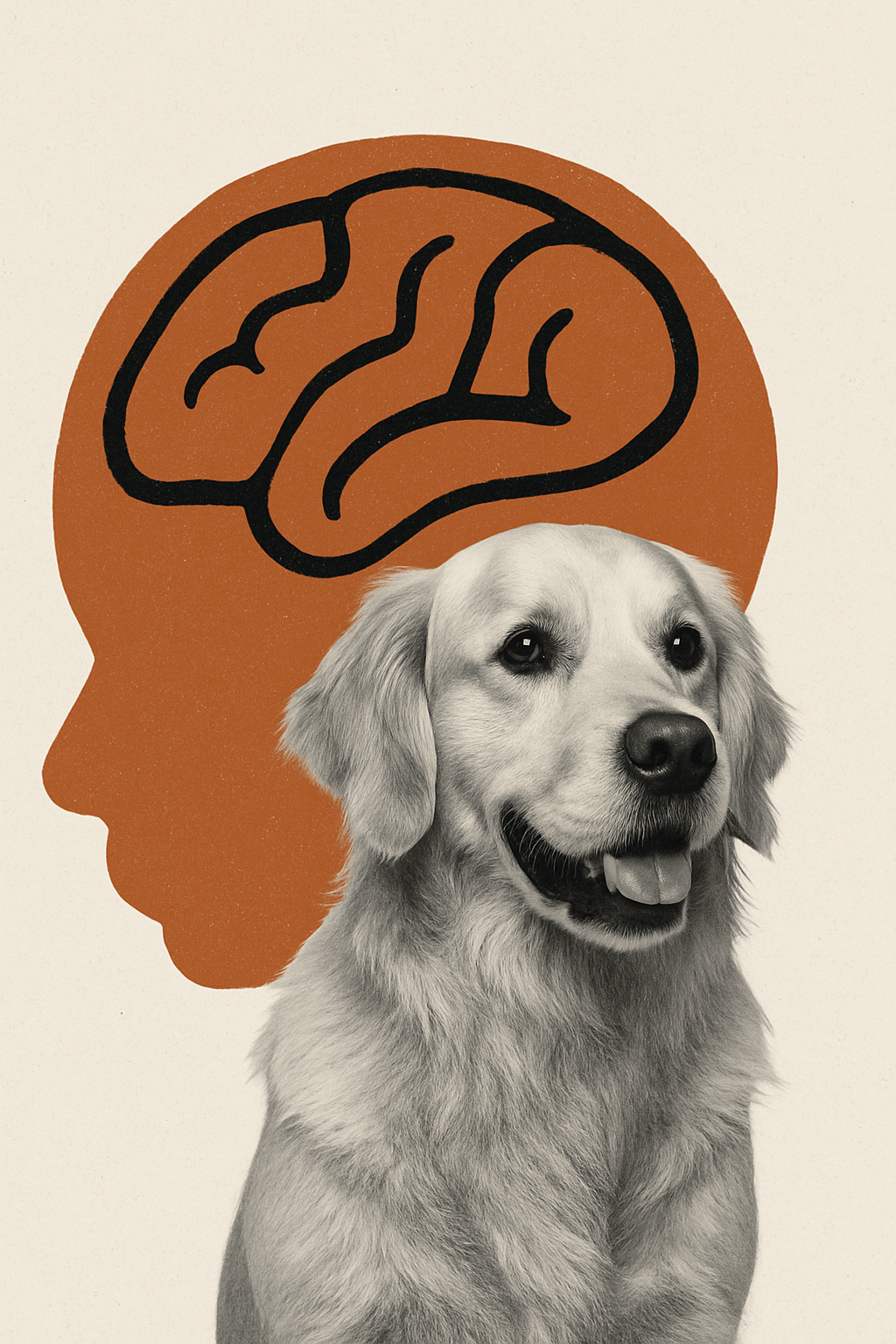
Canine high-grade glioma is a deadly form of brain cancer that has few treatment options. It also has some very important similarities with the most common and deadliest brain cancer in people: glioblastoma. Between the limited options available for treating pet dogs and the shared features with human glioblastoma, there is much enthusiasm to study...
2.0
CE Hours
$60.00
One-Time
✓
RACE Approved
Veterinarians & Technicians
Audience
On-Demand
Format
365
Days Access
Instant access after purchase. No login required — use your magic link.
Course Content
2.0 hours of in-depth clinical education
2.0
Total CE Hours
2.00
Veterinarian Hours
2.00
Technician Hours
Course Overview
Canine high-grade glioma is a deadly form of brain cancer that has few treatment options. It also has some very important similarities with the most common and deadliest brain cancer in people: glioblastoma. Between the limited options available for treating pet dogs and the shared features with human glioblastoma, there is much enthusiasm to study novel treatment options in pet dogs, with the hope that what is learned will benefit both species. In a clinical trial investigating immunotherapy based treatments for pet dogs with high-grade glioma, a concerning pattern emerged: French bulldogs had markedly worse survival than all other breeds, including closely related breeds. There were a variety of possible explanations for this survival disparity, and many of them have been explored. This session provides a summary of canine high-grade glioma, the methods used to investigate this survival disparity, and the results of the investigations. Listeners can also expect to gain an understanding of translational research. DISCLOSURE STATEMENTS:
Your Instructor

Dr. Susan Arnold
DVM, DACVIM (Neurology)
Dr. Susan Arnold is an Associate Professor of Neurology and Neurosurgery in the Department of Veterinary Clinical Sciences at the University of Minnesota College of Veterinary Medicine, where she also serves as Director of the Canine Brain Tumor Program. She is a Diplomate of the American College of Veterinary Internal Medicine (Neurology and Neurosurgery) and holds both a DVM and a PhD. Her research centers on spontaneous brain tumors in dogs — particularly high-grade gliomas — with a focus on novel therapies including immunotherapy and nanoparticle-based approaches. A core aim of her work is translational: genetic and molecular parallels between canine and human gliomas allow findings to inform both species. Since inheriting directorship of the Canine Brain Tumor Program from Dr. Elizabeth Pluhar, Dr. Arnold has expanded its clinical trial portfolio, enrolled hundreds of canine patients, and is broadening collaborations with UMN and external partners. She earned her DVM at the University of Wisconsin.
View Full Faculty BioHow On-Demand Works
Purchase
Complete checkout with your professional info
Instant Access
Get a magic link — no login required
Watch & Learn
Stream the lecture at your own pace
Get Certified
Pass the quiz, download your certificate
What's Included
Full Lecture Recording
HD video of the complete live presentation
Digital Lecture Notes
Downloadable PDF with key takeaways
Knowledge Assessment Quiz
Multiple choice quiz to earn CE credit
RACE-Approved Certificate
2.0 CE hours for veterinarians & technicians
Ready to Learn?
Get instant access to 2.0 hours of RACE-approved CE with Dr. Susan Arnold.
Purchase On-Demand Access — $60.00RACE Program #20-1307646